

Mold Inspection in Sarasota: What Homeowners Need to Know in Florida’s Humidity
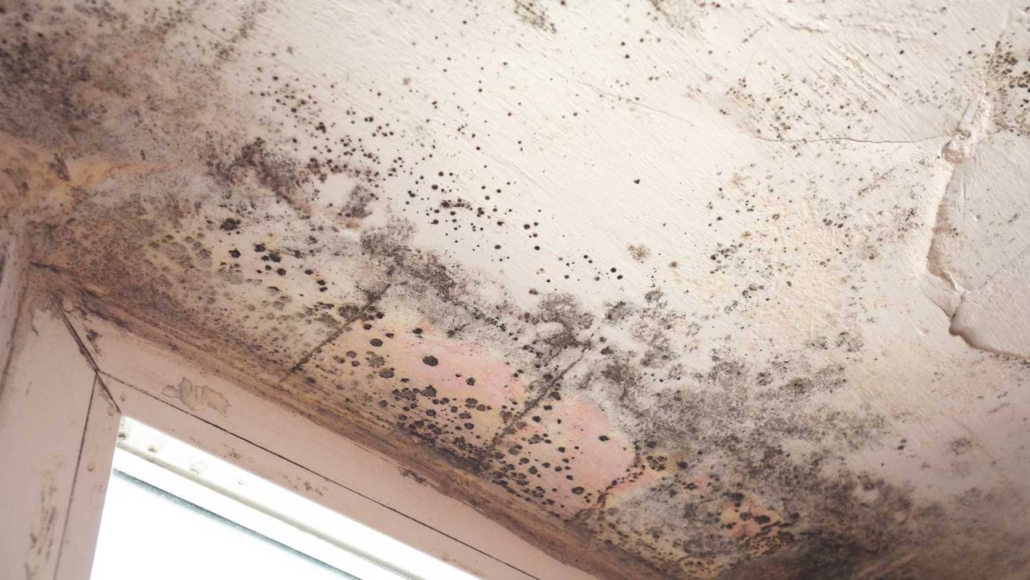
Florida is one of the most mold-prone states in the country, and Sarasota is no exception. The combination of intense heat, high humidity, and frequent rain creates an environment where mold can take hold quickly and spread quietly inside homes without any obvious warning signs. A mold inspection in Sarasota is not just something to consider after a flood or a visible stain on the ceiling. It is a proactive measure that protects your home’s structure, your indoor air quality, and the health of everyone living under that roof.
Why Sarasota Homes Are Particularly Vulnerable to Mold
Mold thrives when moisture and warmth meet organic building materials, and Sarasota delivers those conditions year-round. The region’s average humidity levels are consistently elevated, and the summer rainy season brings heavy, frequent storms that saturate the soil around foundations, push water through imperfect roof systems, and introduce moisture into crawlspaces and wall cavities. Air conditioning systems, which run almost continuously in Southwest Florida, create condensation inside ductwork and on cool surfaces, adding another common moisture source inside the home itself.
The aftermath of hurricanes and tropical storms amplifies these risks significantly. Even homes that appear structurally intact after a storm may have absorbed water through roof damage, window seal failures, or soffit intrusions that were not immediately obvious. That trapped moisture, if not dried out thoroughly, becomes the starting point for mold colonies that grow inside walls and ceilings long after the storm has passed.
What a Professional Mold Inspection Involves
A mold inspection is considerably more thorough than a visual check for dark spots on the walls. A certified inspector performs a non-invasive examination of the entire accessible property, looking for conditions that indicate moisture problems and potential mold growth, including staining, discoloration, musty odors, water intrusion evidence, and HVAC system irregularities.
A mold inspection in Sarasota performed by Sarasota Home Inspections includes both air sampling and surface sampling. Air samples are collected inside the home and compared to outdoor baseline samples to measure the concentration and types of mold spores present in the indoor environment. Surface samples are collected at areas of visible concern or suspected growth and sent to a Florida-certified laboratory for analysis. The lab results are included with the full inspection report, giving homeowners and buyers a documented, scientific assessment of the home’s mold status rather than guesswork.
What Mold Testing Can Reveal
The value of testing goes well beyond what the eye can see. Many of the most concerning mold species grow in concealed locations. Attics where roof leaks have gone undetected, wall cavities where plumbing has slowly leaked, spaces around air handler units, and areas beneath flooring near slab penetrations are all common sites for hidden mold in Sarasota homes.
Elevated indoor spore counts in air samples can indicate active mold growth in areas that were not visibly inspected. This is particularly relevant in Florida, where Stachybotrys and Chaetomium, two mold types associated with chronic water damage, are not uncommon findings in homes that have experienced repeated moisture events. Identifying these conditions through proper testing, rather than discovering them after purchase or after a health concern arises, makes a significant difference in the cost and complexity of the response.
Mold and Your Health
While not all molds are equally harmful, exposure to elevated mold concentrations is not something to take lightly. Many molds produce mycotoxins and allergens that can cause or worsen respiratory issues, trigger allergic reactions, and affect overall wellbeing, particularly in children, elderly residents, and anyone with asthma or immune system sensitivities. The fact that mold-related symptoms often overlap with seasonal allergies means the connection to a home’s indoor environment is frequently missed without proper testing.
Knowing that a home’s mold levels are within normal, healthy ranges, or knowing what needs to be addressed to bring them there, is meaningful information for anyone living in or purchasing a Sarasota property.
When to Schedule a Mold Inspection in Sarasota
Any home purchase in Sarasota County warrants serious consideration of mold testing, particularly for older homes, homes that have been vacant, properties that experienced flooding or hurricane damage, and any home where musty odors or visible staining have been noted. Scheduling a mold inspection alongside a full home inspection is the most efficient approach, allowing both the structural and air quality condition of the property to be evaluated at the same time.
Current homeowners who have not tested since moving in, who have recently experienced any water intrusion or HVAC issues, or who simply want a baseline understanding of their indoor air quality are also excellent candidates for a mold inspection. In Sarasota’s climate, regular awareness of moisture conditions inside the home is simply part of responsible homeownership.
Frequently Asked Questions About Mold Inspections in Sarasota
How do I know if my home has a mold problem? Visible dark staining, a persistent musty or earthy odor, and unexplained respiratory symptoms are common indicators, but mold frequently grows in hidden locations with no obvious signs at all. A professional mold inspection with air and surface sampling is the only way to confirm whether a problem exists and what type of mold is present.
What is included in a mold inspection in Sarasota? Sarasota Home Inspections performs a thorough visual examination of the property alongside air sampling and surface sampling at areas of concern. Samples are sent to a Florida-certified lab and the results are included with a detailed inspection report.
Is mold testing the same as a home inspection? No. A standard home inspection includes a visual assessment for signs of moisture and mold but does not include laboratory testing. A mold inspection is a separate, specialized service that collects samples and provides documented lab results on spore types and concentrations.
Can mold grow in a new Florida home? Yes. New construction in Florida is not immune to mold. Moisture can be trapped in building materials during construction, and even a newly built home can develop mold if the HVAC system, plumbing, or building envelope has any deficiency. Testing is worthwhile regardless of the home’s age.
What happens if mold is found during an inspection? Test results identifying elevated mold levels will indicate the type and concentration of mold present, pointing toward the likely moisture source. Remediation can then be targeted and effective. In a real estate transaction, documented findings give buyers a concrete basis for negotiating with the seller.
How does Florida’s hurricane season affect mold risk? Significantly. Storm-driven water intrusion through roof damage, window failures, and soffits can introduce moisture into areas of the home that do not dry out quickly. If that moisture is not identified and addressed thoroughly after a storm, mold growth can begin within 24 to 48 hours and may not be detectable without testing for weeks or months afterward.
Sarasota’s climate demands a higher level of vigilance when it comes to indoor moisture and mold. Sarasota Home Inspections provides professional mold inspection in Sarasota for buyers, sellers, and current homeowners who want real answers about the air inside their home. Schedule your inspection today and know exactly what you are dealing with.


Leave a Reply
Want to join the discussion?Feel free to contribute!